
Why Brass Is a Beautiful Choice
In a culture that equates value with weight, brass offers something more nuanced: character.
Brass has been used for centuries in sculpture, architecture, and instrument-making not because it imitates gold, but because it carries warmth and presence of its own. Its tone is softer, deeper — less declarative than gold, more dimensional than steel. It belongs naturally to objects shaped by hand.
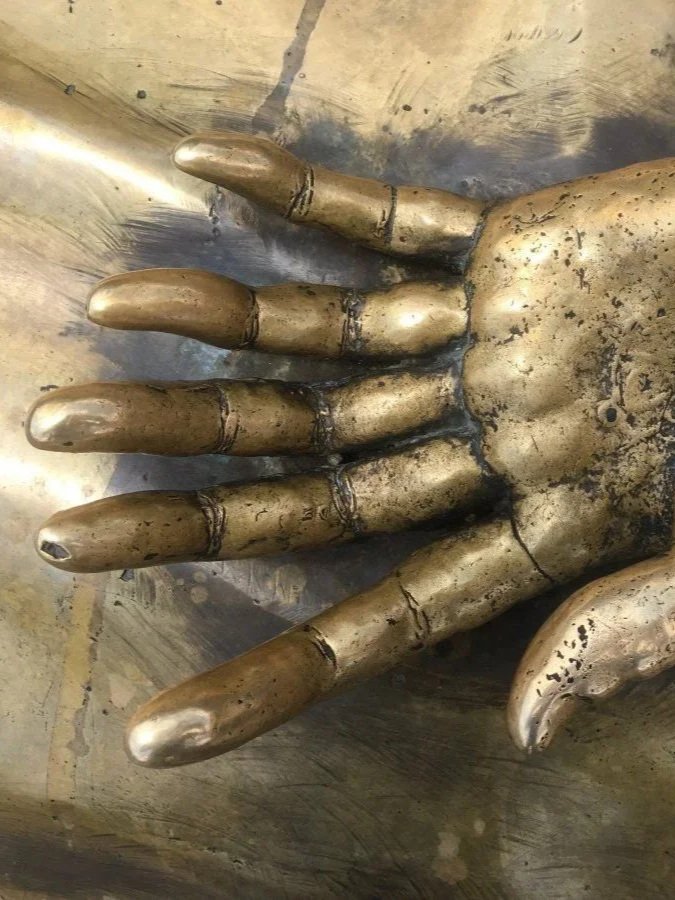
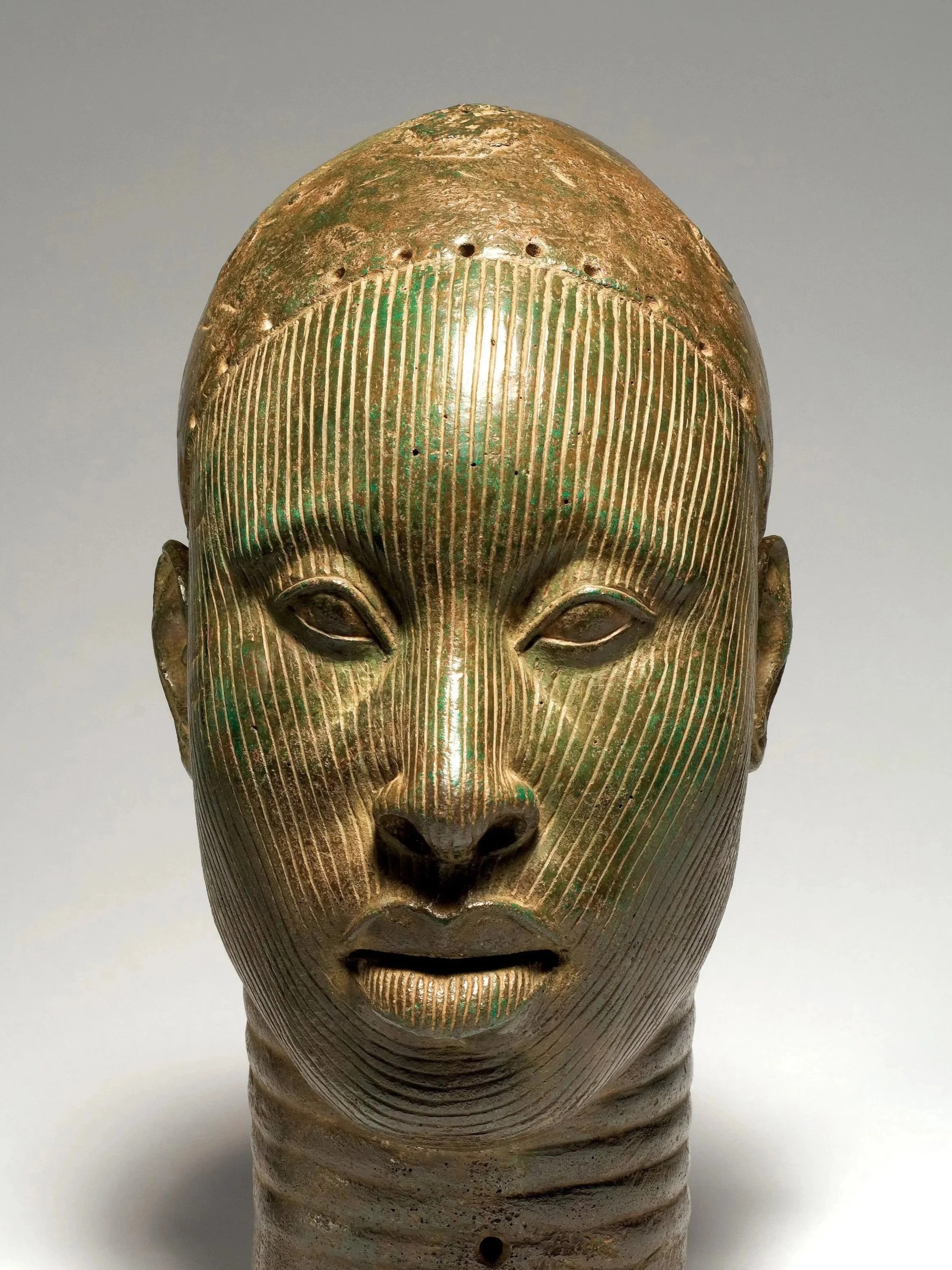
HAND DETAIL OF BRASS STATUE and 14TH CENTURY BRASS HEAD FROM IFE
For sculptural jewelry, brass is especially compelling.
It holds form beautifully. It allows organic curves and bold silhouettes to feel grounded rather than ornamental. Where high-shine metals can read as decorative, brass feels intentional — closer to art than accessory.
There is also something quietly intellectual about choosing brass. It signals discernment. It suggests the wearer is not chasing status markers, but collecting objects for their material honesty and design integrity.
Over time, brass develops a subtle patina — a lived-in softness that reflects movement and touch. This evolution is not a flaw; it is part of the object’s life. Like sculpture in a gallery or bronze in architecture, it deepens with age.
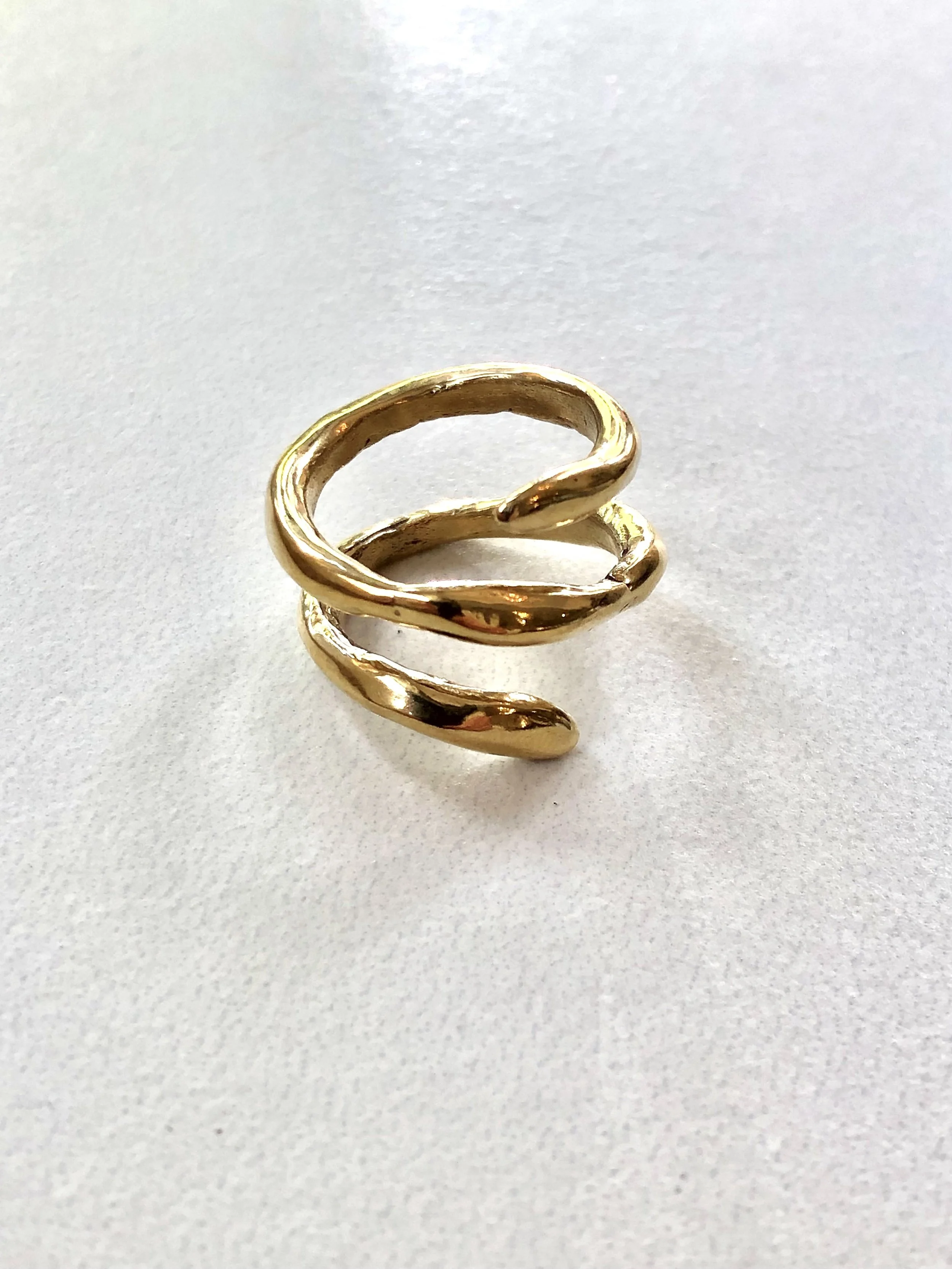
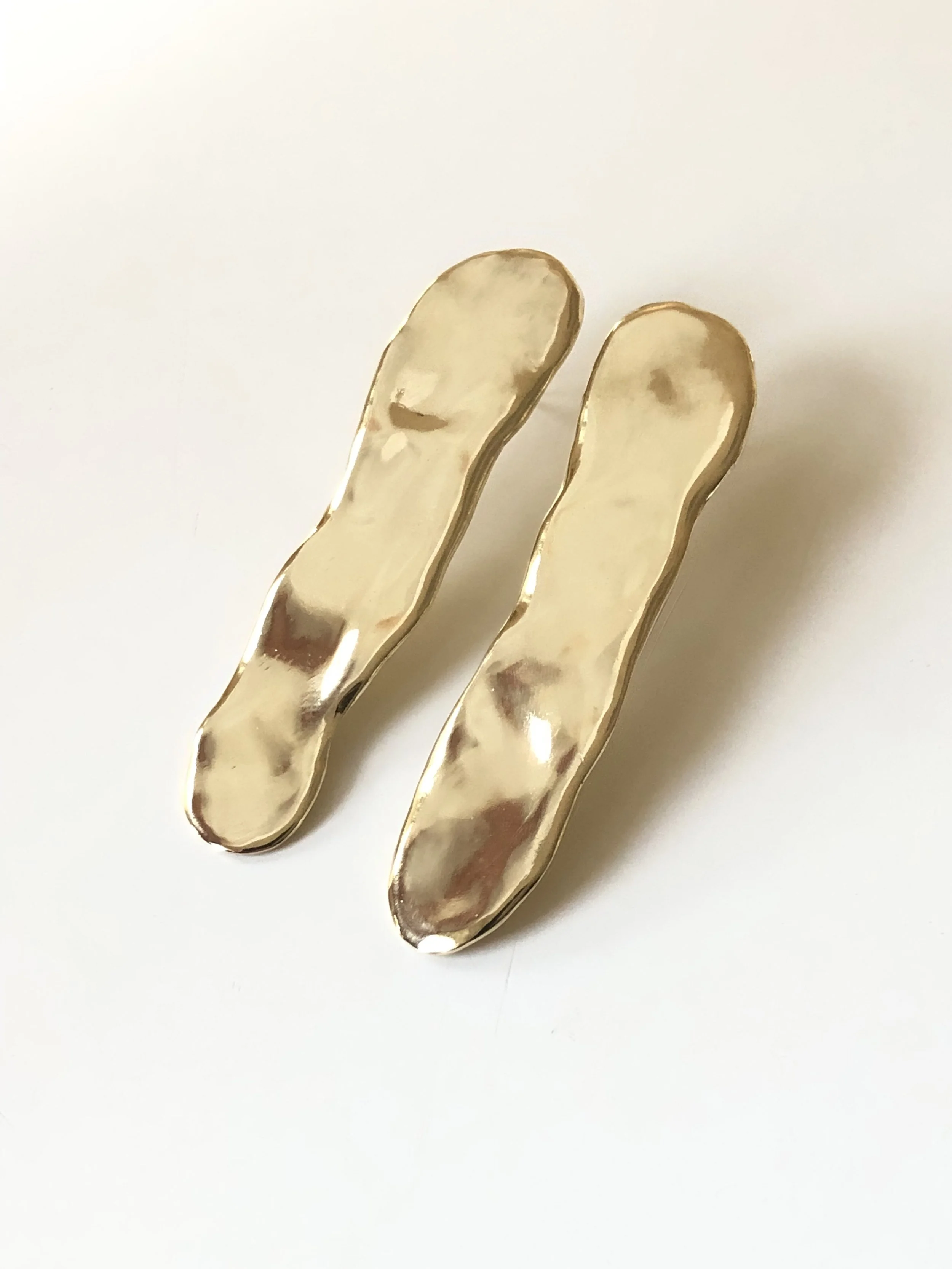
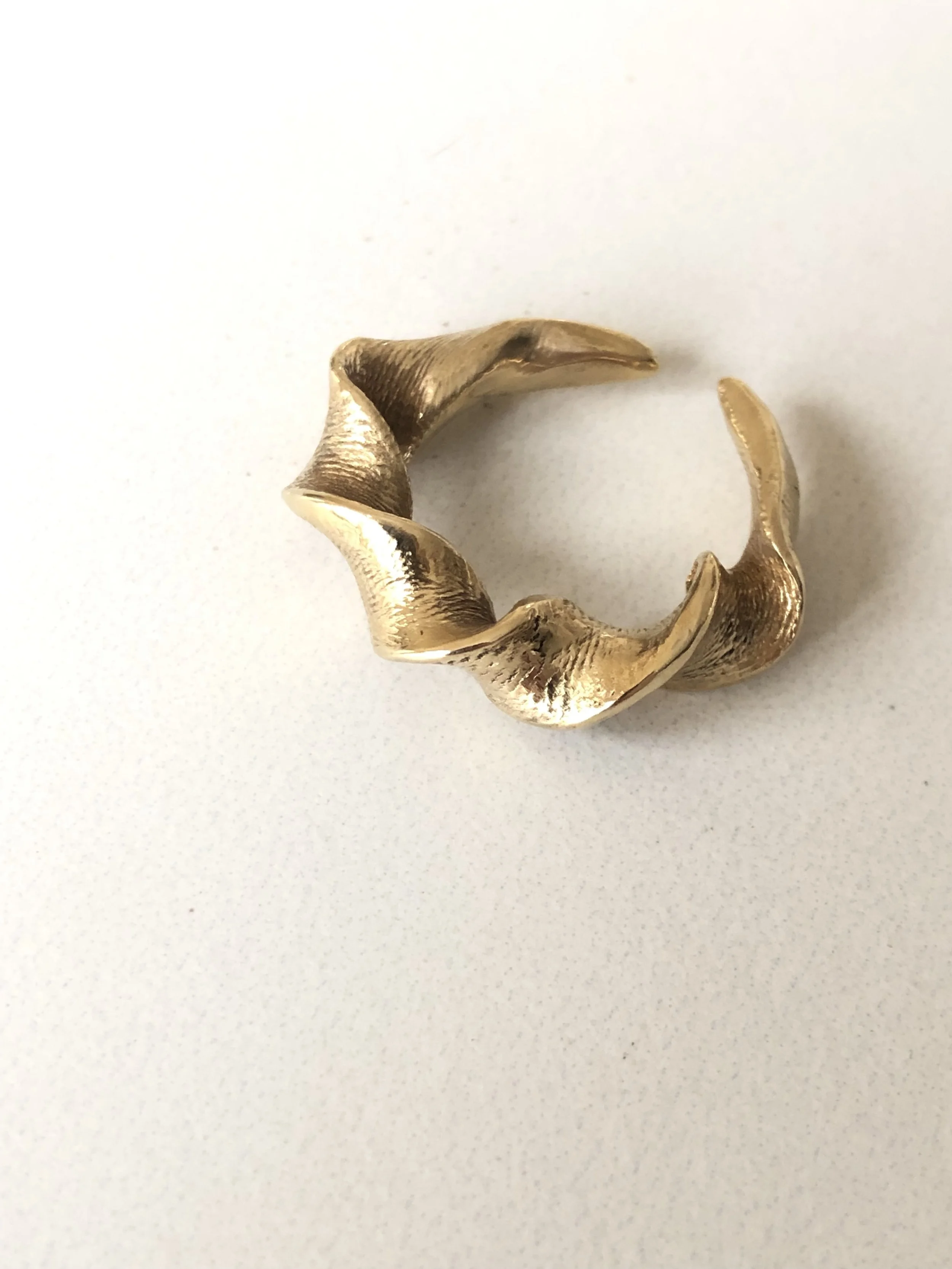
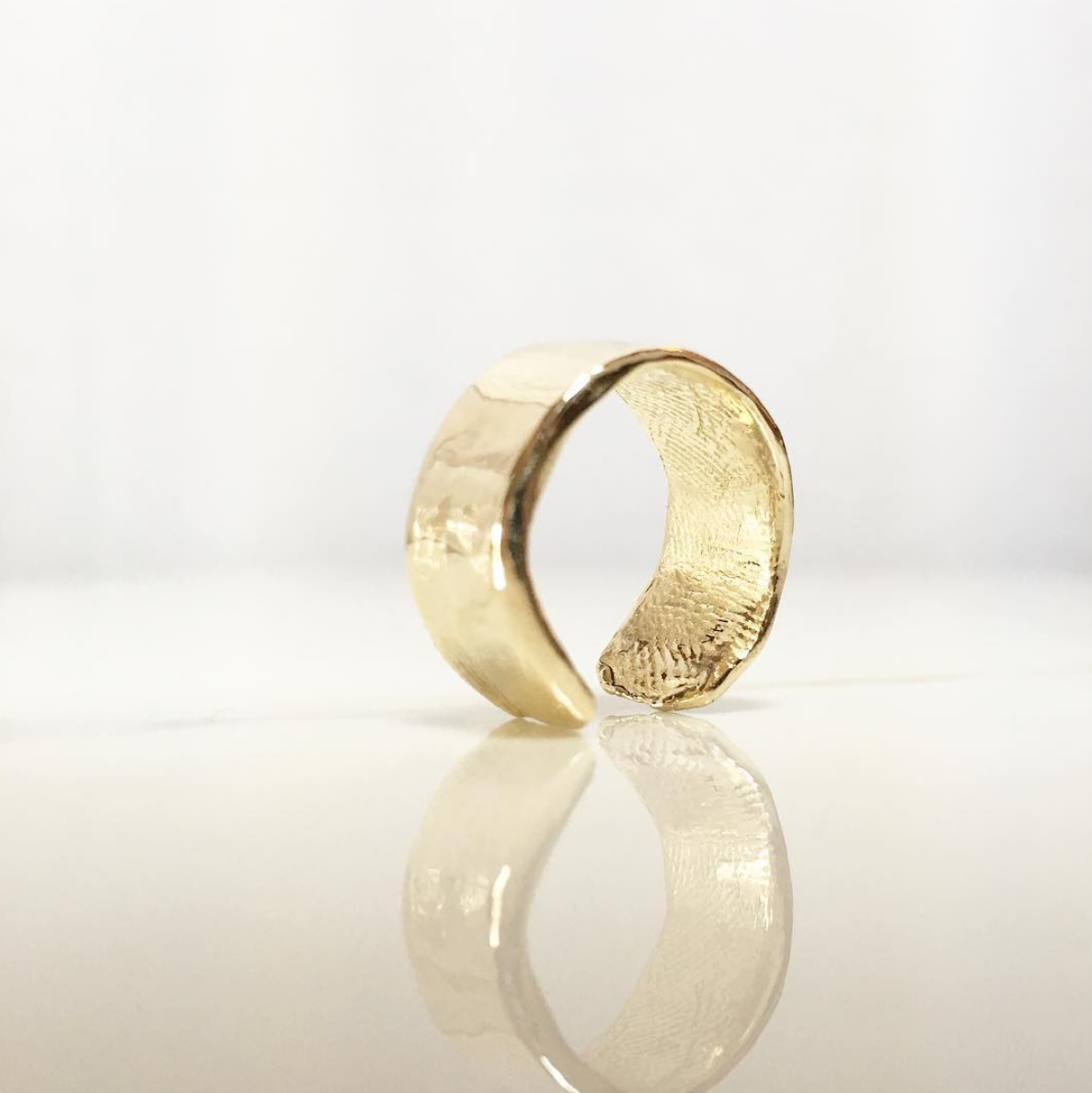
For women drawn to quiet luxury and sculptural form, brass offers warmth without excess, presence without noise, distinction without trend.
It does not try to imitate gold.
It stands on its own.
And when shaped by hand into organic, architectural forms, it becomes what jewelry should be at its best:
A wearable object with presence.