On Sculptural Jewelry: Form, Presence, and the Return to Object
There is a quiet shift happening in jewelry.
Not toward excess. Not toward decoration. But toward form.
Sculptural jewelry is no longer a trend in the traditional sense — it is a return to object. A return to weight, to silhouette, to pieces that occupy space rather than simply adorn the body.
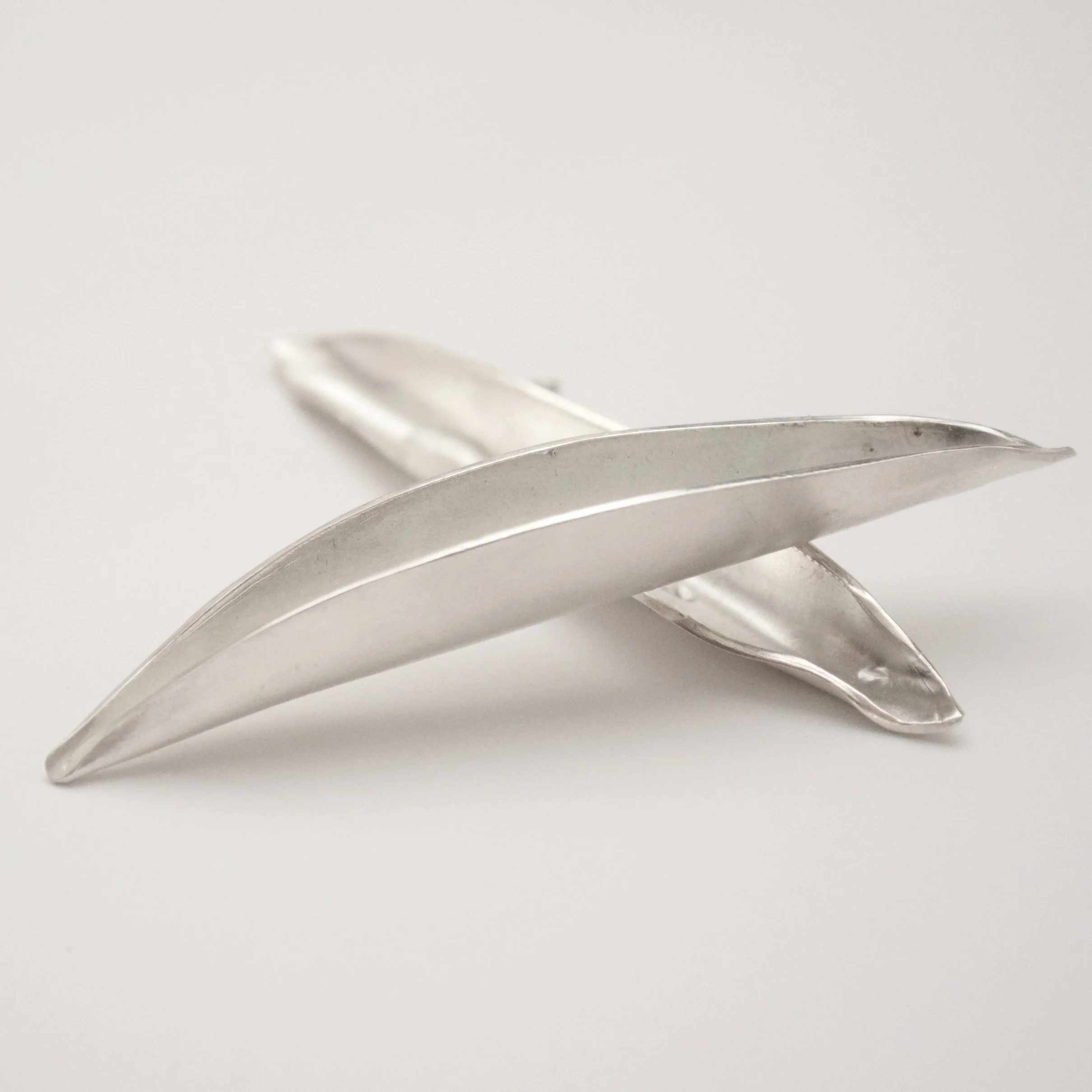
Modern sculptural jewelry resists fragility. It favors curve over sparkle, tension over symmetry, substance over embellishment. These are pieces shaped by hand, often in silver and brass, where material is not concealed but expressed.
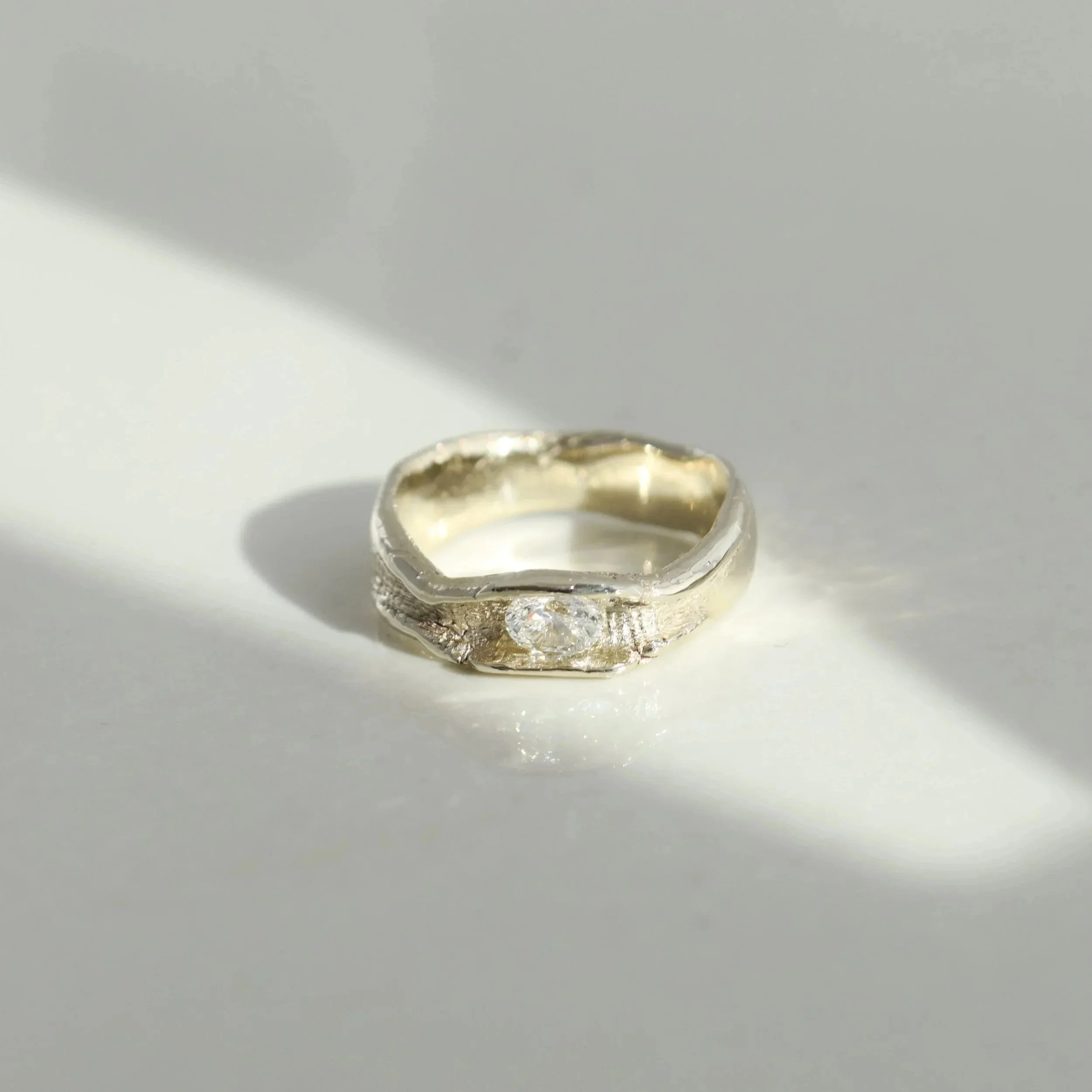
Organic form has become central to this movement. Soft asymmetries. Undulating surfaces. Edges that feel eroded rather than engineered. The influence is closer to sculpture and architecture than to conventional accessory design.
In this context, brass and silver are not just materials — they are collaborators.
Silver reflects light with clarity.
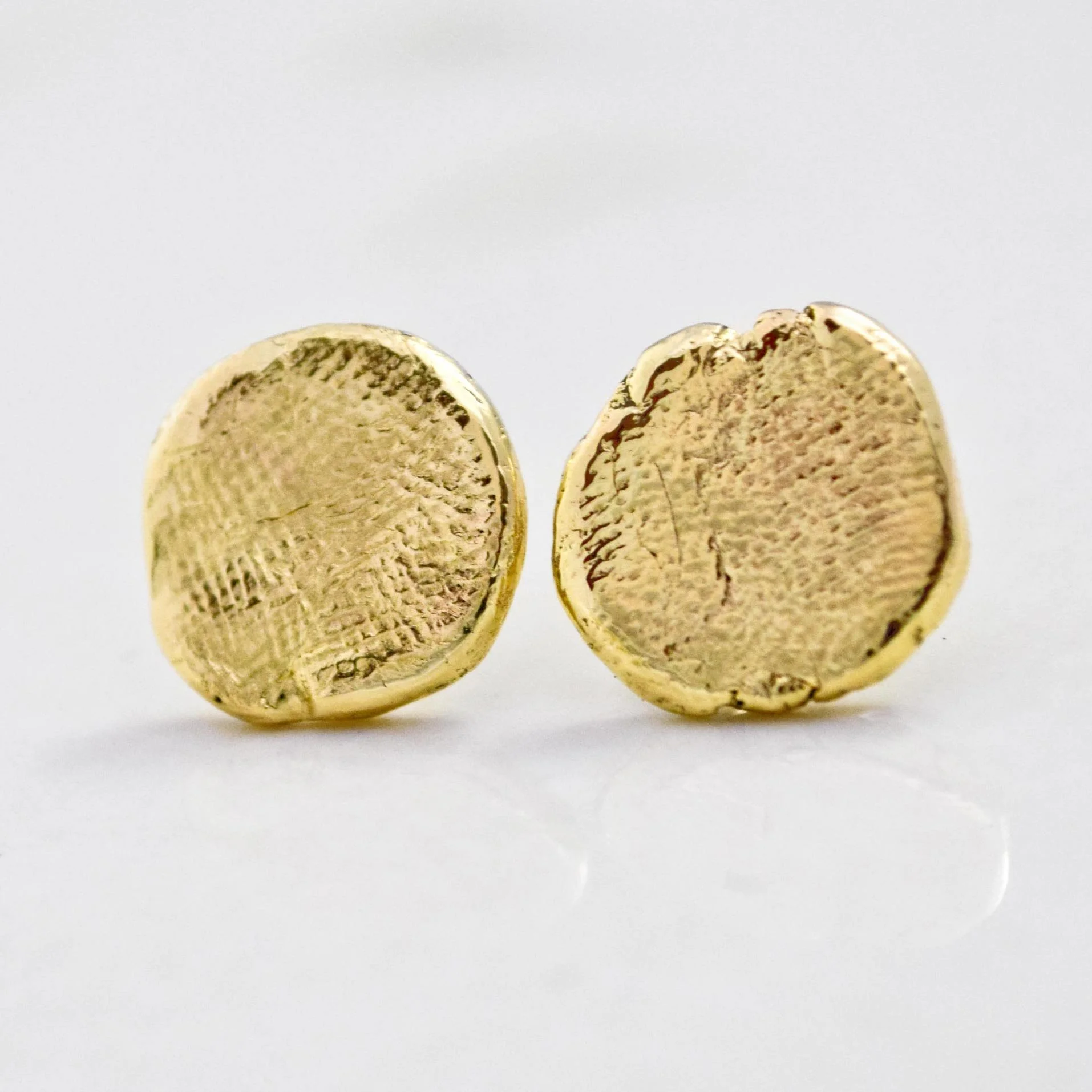
Brass holds warmth and depth.
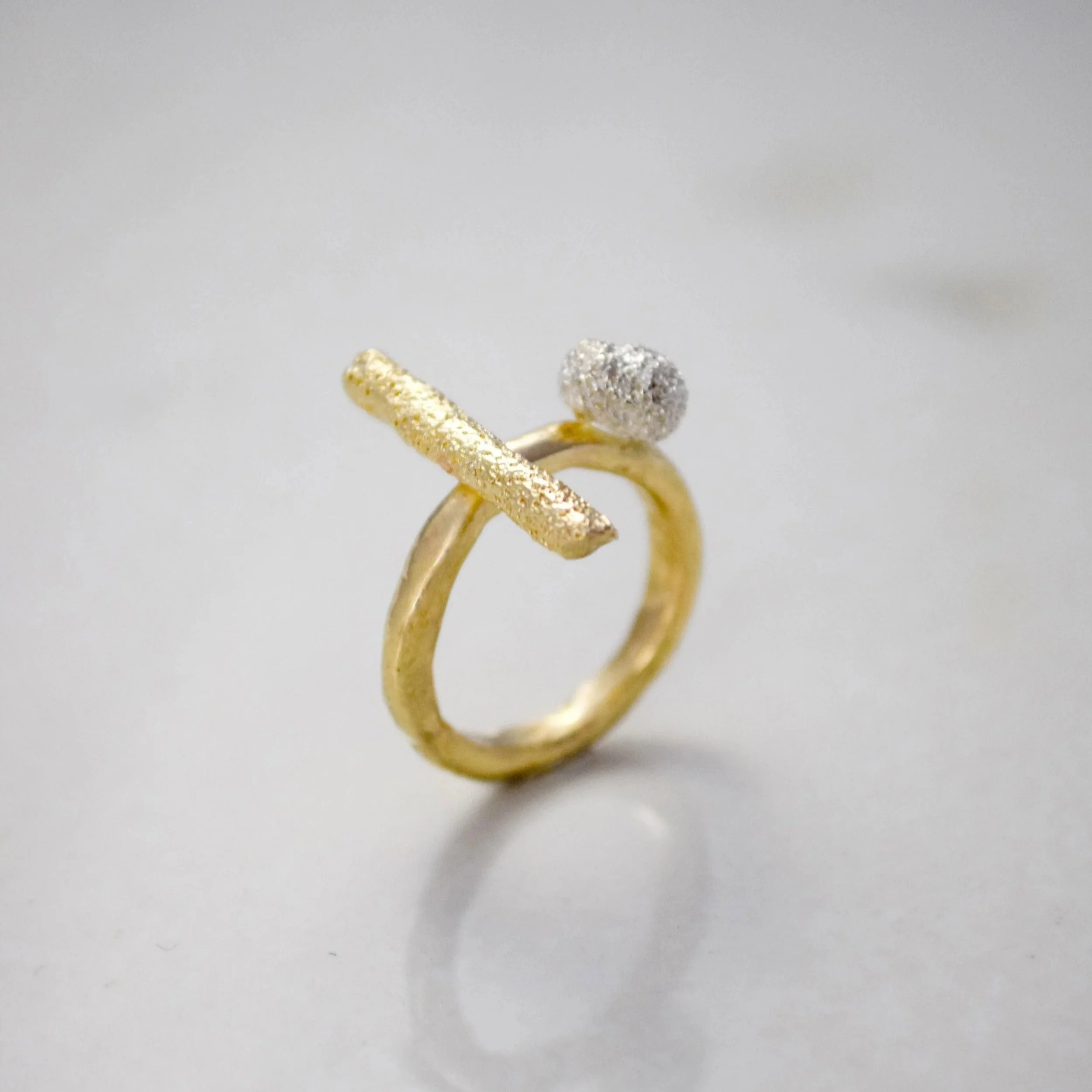
Together, they create contrast and presence without noise.
What defines today’s sculptural jewelry is restraint. A single bold ring. A pair of earrings that frame the face like small studies in form. A pendant that feels collected rather than purchased.
For many women, art-inspired jewelry is replacing trend-driven adornment. The focus has shifted from “What is fashionable?” to “What has integrity?” Jewelry is chosen the way one selects a ceramic vessel or a small bronze — for its proportion, its texture, its quiet authority.
Sculptural jewelry endures because it does not rely on trend cycles. It exists in dialogue with the body, the light, and time. It evolves. It gathers softness. It carries memory.
And perhaps that is why it feels relevant now.
In an era of constant noise, sculptural jewelry offers something rare: presence.