Adornment as Identity
The Quiet Language of Form
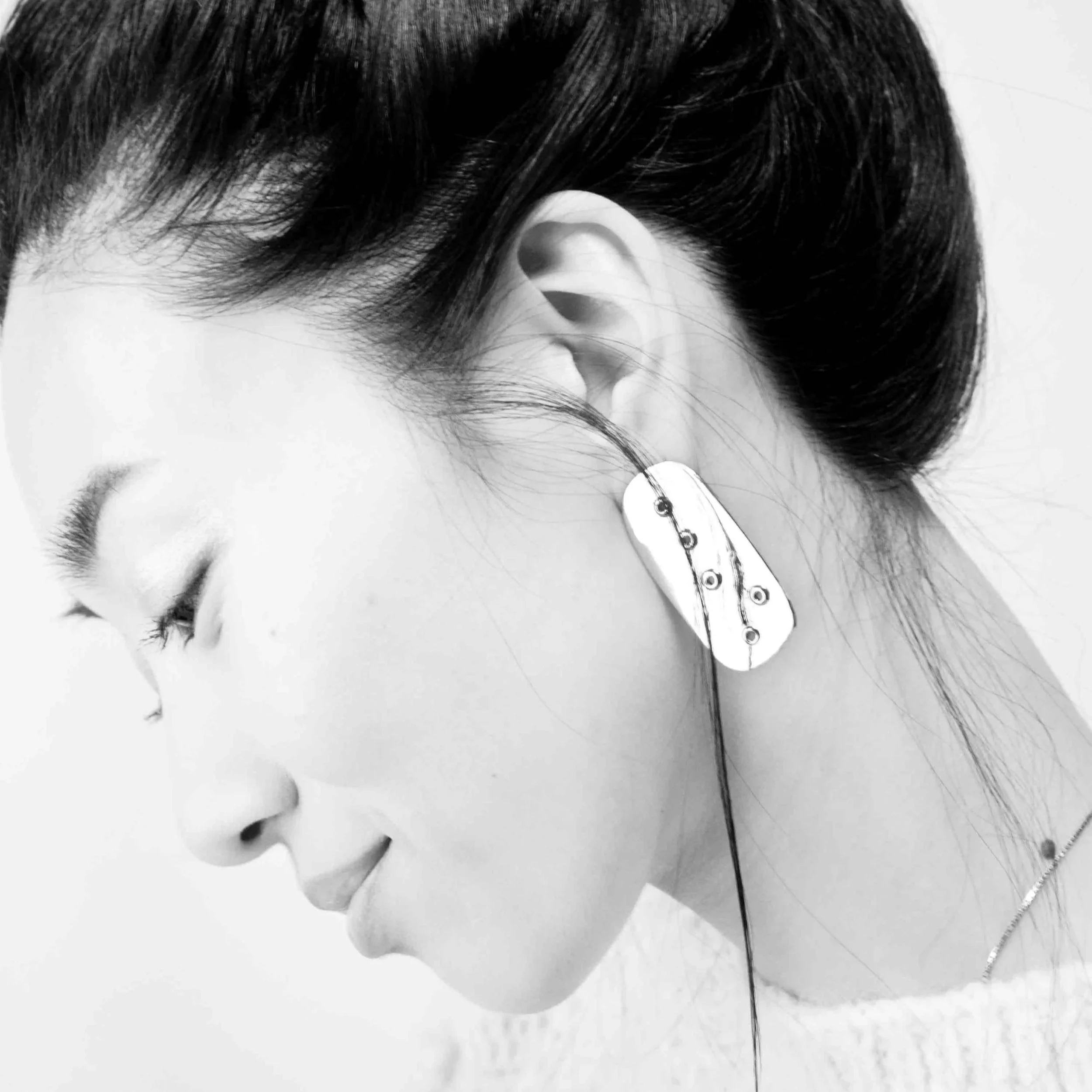
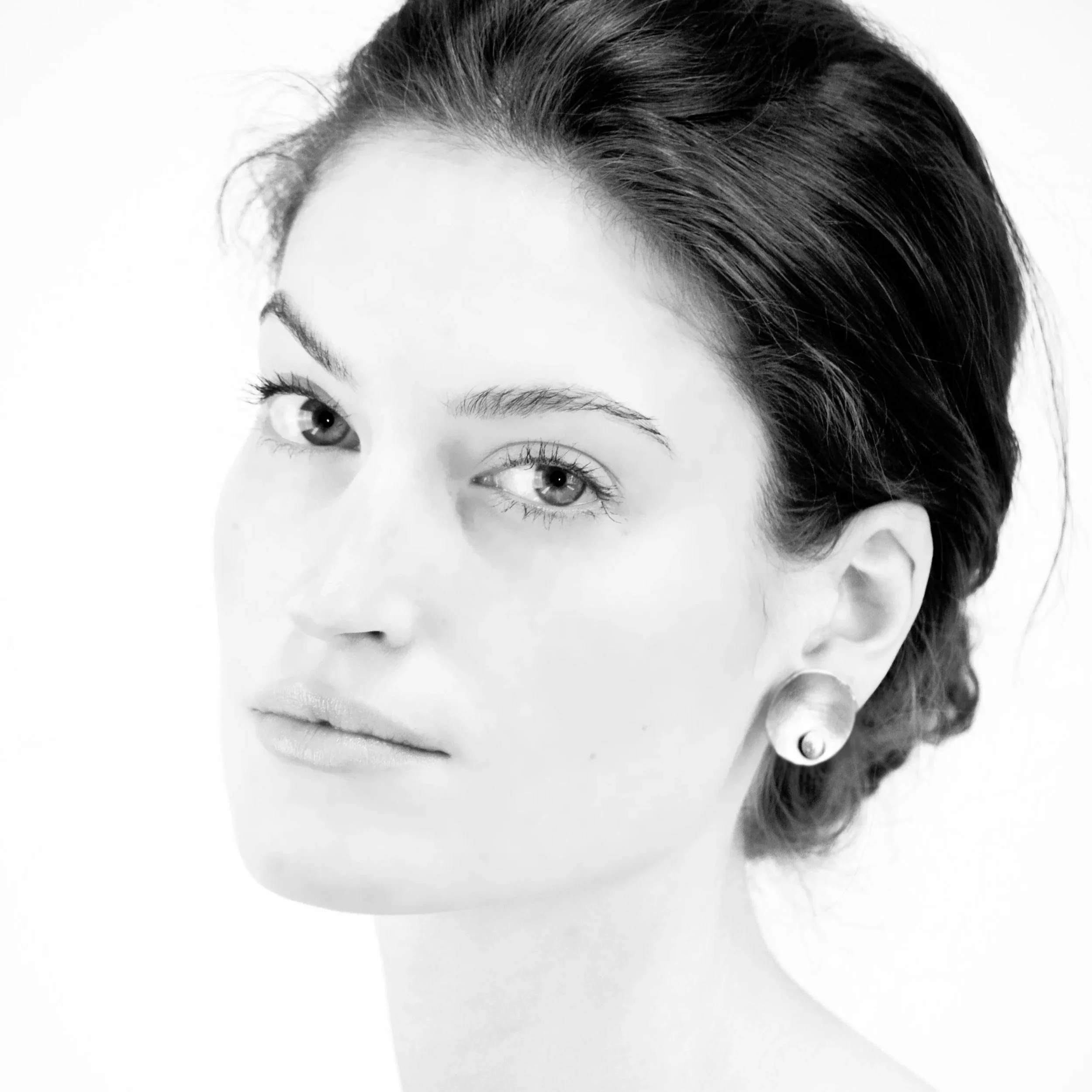
There exists a particular dialogue between body and object — one that transcends decoration and enters the realm of declaration. When we choose what rests against our skin, we are not merely selecting ornament. We are curating presence.
The women who understand this need no explanation. They recognize that certain pieces carry weight beyond their material form. These are not accessories; they are extensions of an internal landscape made visible.
Beyond the Decorative
In an era of mass production and algorithmic taste-making, the act of choosing becomes political.
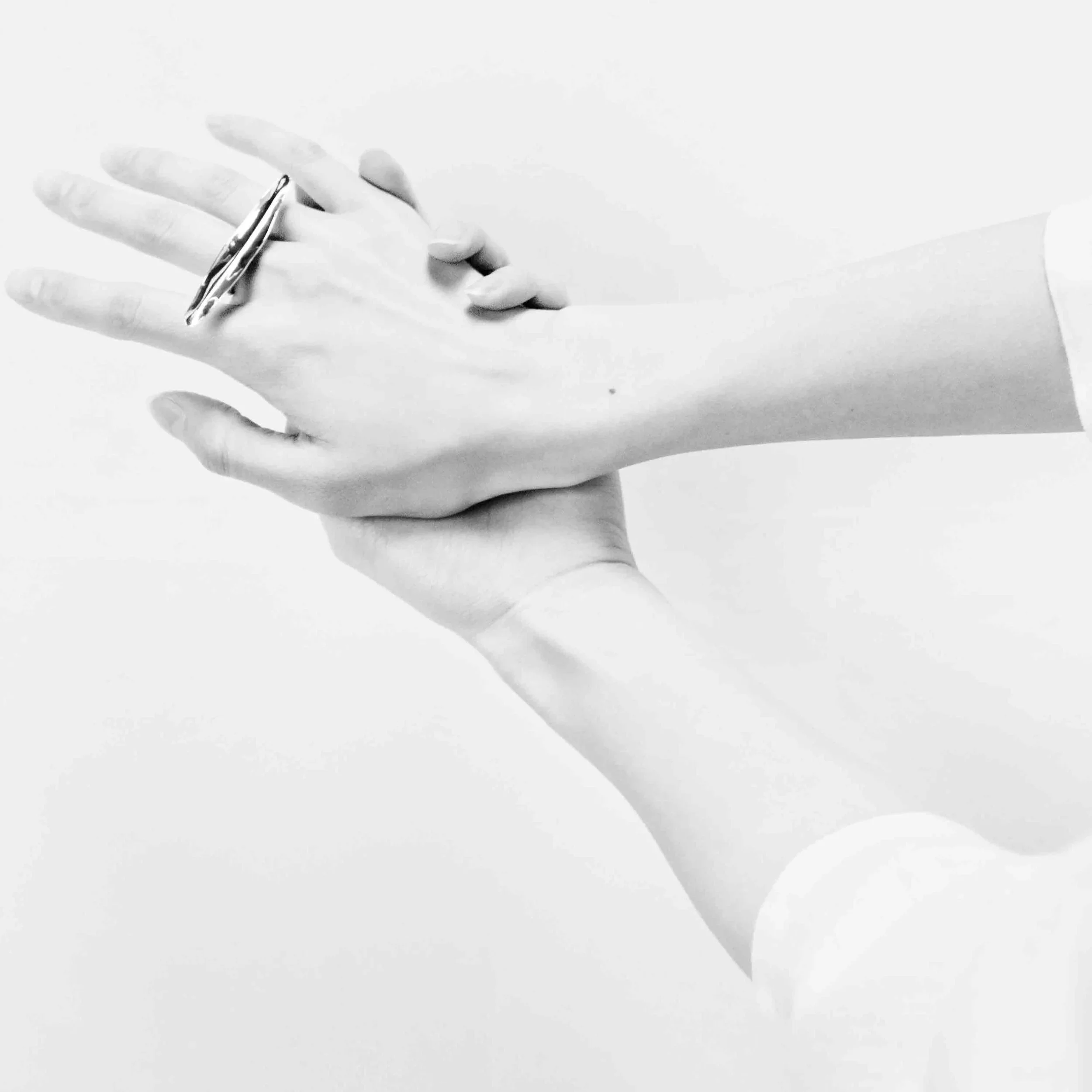
The organic form — with its asymmetries and unexpected turns — mirrors our own complexities. It speaks to those who find beauty in the unresolved, who understand that true elegance often lives in tension rather than perfection.
The Collector's Eye
There are women who move through the world collecting moments of visual intelligence. They notice the negative space in architecture, the way fabric falls, the particular patina that time leaves on brass. Their jewelry boxes are not filled with precious stones but with pieces that hold ideas.
For them, adornment is autobiography. Each piece marks a chapter: the ring acquired during that pivotal year, the earrings that accompanied a transformation, the necklace that serves as talisman and armor. These objects become witnesses to becoming.
A Considered Presence
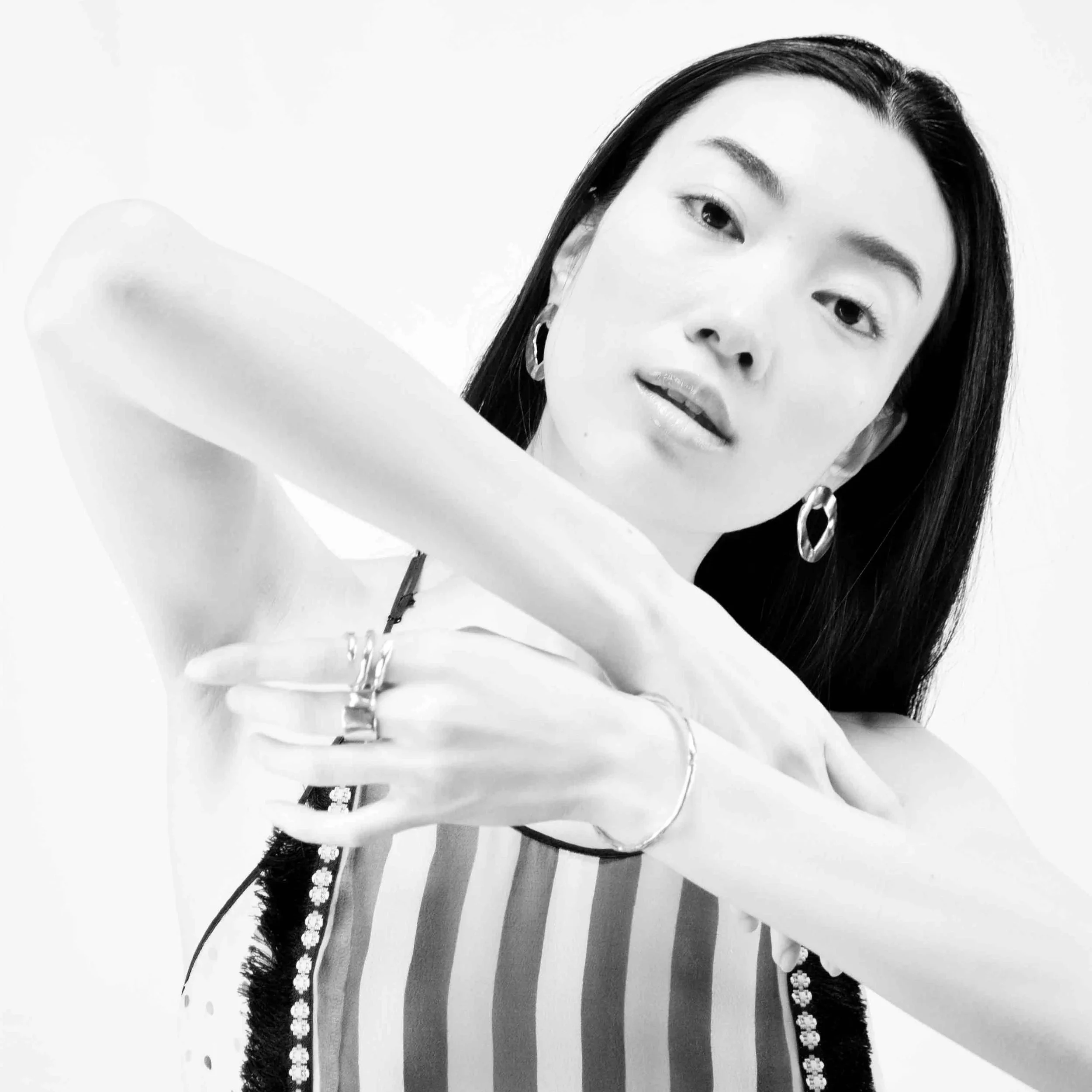
When we speak of identity through adornment, we're acknowledging that some pieces refuse to be background. They demand space. They alter the geometry of a room simply by being worn into it.
This is not loudness — it is presence. The difference between shouting and having something to say.
The woman who chooses sculptural jewelry understands this distinction. She knows that true confidence doesn't announce itself; it simply occupies space with intention.
The Sensual Intelligence
There is an intimacy to wearing art against the body. The weight of it. The temperature as metal warms the skin. The private knowledge of its making — understanding that someone's hands shaped this form, that it existed first as vision, then as labor, before becoming companion.
This relationship between maker, object, and wearer creates a circuit of meaning that mass production can never replicate. It is the luxury of the particular, the specific, the irreproducible moment when material becomes meaning.
In choosing how we adorn ourselves, we are writing a visual language that precedes speech. For those who read such languages, every piece tells its story: I am here, I am considered, I am unafraid of my own complexity.